

How Do I Start an Ecommerce Business Online?

To start an ecommerce business online, you need to complete 5 core steps: choose a legal structure, register with HMRC or Companies House, select an ecommerce platform, configure payment processing, and establish compliant accounting from day one. UK online retail accounts for approximately 27% of total retail sales, according to Office for National Statistics data. […]
A Tax Guide for eBay

eBay selling generates UK tax duties once activity qualifies as trading. HMRC receives platform-reported seller data from January 2025 under the OECD Common Reporting Standard. A tax guide for eBay explains the thresholds, registration requirements, record-keeping duties, and filing obligations that apply to UK-based eBay sellers. As ICAEW Chartered Accountants with 13+ years serving North […]
How to Write the Perfect Business Plan

Writing the perfect business plan involves 7 core sections: an executive summary, company overview, market analysis, operational plan, financial projections, funding requirements, and an appendix. A UK business plan must align with HMRC reporting obligations and Companies House filing requirements to remain compliant from day one. Aqua Accounting, an ICAEW Registered Member Firm based in […]
Can I Still Start a Business with a Bad Credit Score?
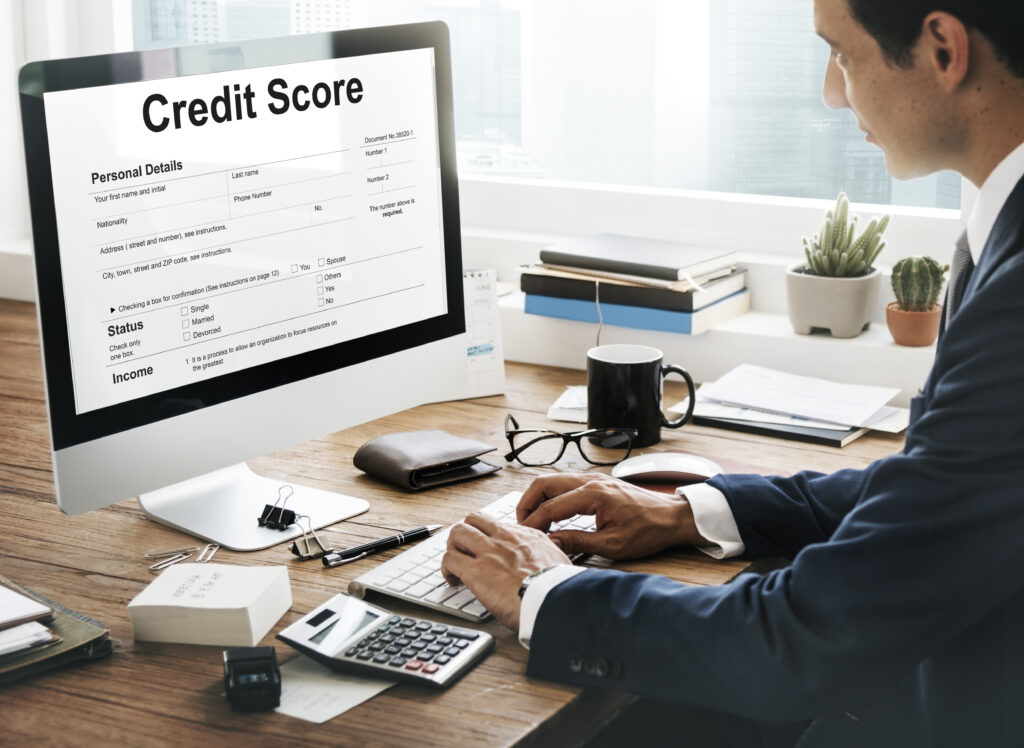
Yes, you can still start a business with a bad credit score in the UK. No legal minimum credit score exists to register a limited company with Companies House or to obtain a Unique Taxpayer Reference from HMRC. Personal credit history does not prevent company formation. Bad credit does restrict access to business loans, credit […]
The Influencer’s Guide to Payments In Kind and Tax on Gifts

What Is The Influencer’s Guide to Payments In Kind and Tax on Gifts? Payments in kind are non-cash benefits that influencers receive in exchange for promotional content. These include free products, gifted services, complimentary hotel stays, and event tickets. HMRC treats every one of these items as taxable income. HMRC defines payments in kind under […]
Paying Tax When You Sell Through Online Marketplaces

Selling through online marketplaces such as Amazon, eBay, Etsy and Vinted generates income that HMRC tracks through platform reporting rules effective from January 2024. Sole traders, limited companies and casual sellers all face specific tax obligations once sales pass defined thresholds. This UK business guide explains the rules, deadlines and reporting requirements that apply to […]
Top Tips on How to Start A Business

Starting a business in the UK involves 7 core steps: choosing a legal structure, registering with HMRC or Companies House, setting up accounting, understanding tax obligations, securing funding, registering for VAT if applicable, and maintaining compliance. According to the Department for Business and Trade, the UK had approximately 5.6 million private sector businesses at the […]
How to Generate Extra Passive Income

Generating extra passive income involves building revenue streams that continue earning after the initial setup phase. UK business owners use passive income strategies to diversify earnings, reduce reliance on active trading, and optimise their tax position. This guide covers the definition, UK tax rules, compliance requirements, and how professional accounting support improves financial outcomes. What […]
How To Make Money on TikTok

TikTok monetisation involves earning revenue through the Creator Rewards Programme, brand partnerships, TikTok Shop, live stream gifts, and affiliate marketing. Over 8 million UK businesses use social media platforms for revenue generation. TikTok reported $16.1 billion in global revenue in 2023, with creators earning through 5 primary channels. Learning how to make money on tiktok […]
Do I Need to Pay Tax if I Start Selling on Etsy?

Yes, you pay tax if you start selling on Etsy and your gross trading income exceeds £1,000 in a tax year. HMRC applies a £1,000 trading allowance to Etsy sellers. Below £1,000, no tax is due and no registration is required. Above £1,000, you must register for Self Assessment by 5 October following the tax […]