

Companies House Filing Requirements: A Director’s Calendar

A limited company director answers to 2 regulators on a rolling calendar: Companies House for the register and accounts, HMRC for tax and payroll. The deadlines anchor to 4 different dates: year end, incorporation anniversary, tax year and payday. They land in different months and are easy to miss. This guide assembles the Companies House […]
What Is a Confirmation Statement and When Is It Due?

A confirmation statement is the annual check-and-confirm filing every UK limited company and LLP sends to Companies House. Dormant companies file one. Trading companies with nothing to change file one too. The statement confirms your registered details, including directors, registered office, people with significant control (PSCs) and share capital, and updates anything that has moved. […]
What Is a Confirmation Statement?
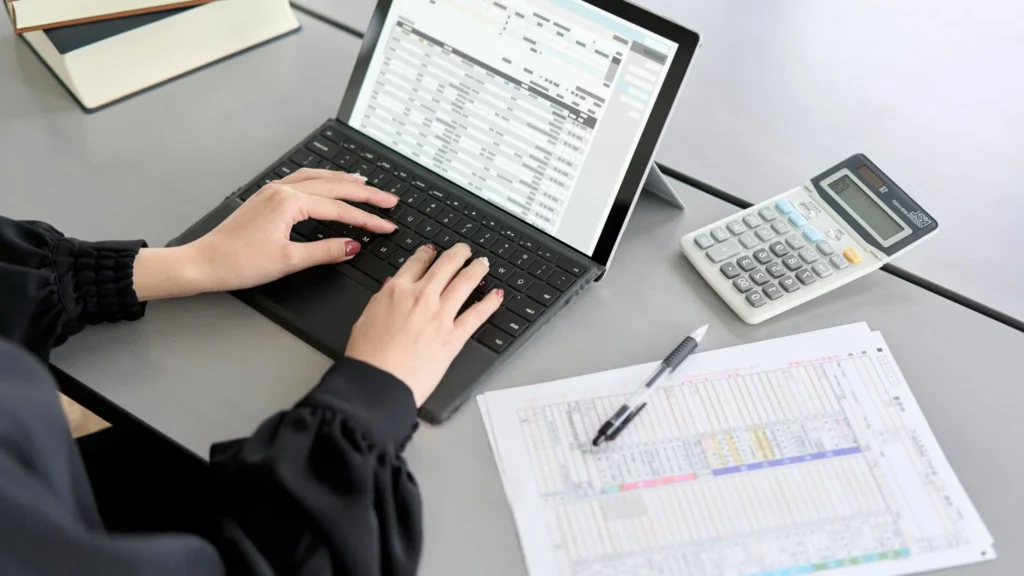
A confirmation statement is the annual filing every UK limited company and limited liability partnership sends to Companies House to confirm its registered details are correct and up to date. Dormant and non-trading companies file one, and so do companies where nothing has changed in the last 12 months. The form replaced the old annual […]
Do I Need Micro-Entity Accounts or Full Accounts?

Every limited company must file accounts with Companies House each year. Size, profit, loss and dormancy make no difference to the obligation itself. A company that is very small may qualify as a micro-entity, which lets it prepare and file a much simpler set of accounts: a simplified balance sheet with notes, carrying the same […]
Year-End Accounting for Limited Companies

Year-end accounting for limited companies starts on the accounting reference date. A limited company’s year end is the close of its financial year, which falls on its accounting reference date (ARD): the anniversary of the last day of the month in which the company was incorporated. A company incorporated on 14 March 2024 has a […]
What Is a Dormant Company?

A dormant company is a limited company that exists on the Companies House register but is not carrying on any business. UK law provides no single definition. Companies House and HMRC each apply their own test, and a company qualifies as dormant for one regulator but not the other. Companies House calls a company dormant […]
What Are Annual Accounts?

Annual accounts are the set of financial statements a limited company prepares at the end of every financial year. They are also called statutory accounts or year-end accounts. The company files them with Companies House and sends them to HMRC as part of the Company Tax Return. Annual accounts show the company’s financial position and […]
How to Prepare for Your Year-End Accounting Deadline

A year-end accounting deadline is the last legal date for delivering annual accounts to Companies House and paying Corporation Tax to HMRC. Directors of small UK limited companies manage 2 linked dates after every accounting period: payment 9 months and 1 day after the period ends, and accounts delivery within 9 months of the accounting […]
Abbreviated Accounts vs Full Accounts: Which Do I Need to File?

The abbreviated accounts vs full accounts choice decides how much financial detail your limited company publishes each year. The public filing at Companies House can take a reduced format; HMRC receives the full statutory accounts in every case. “Abbreviated accounts” ended as a legal term for accounting periods starting on or after 1 January 2016. […]
What Are Micro-Entity Accounts and Does My Company Qualify?
Micro-entity accounts are the shortest set of statutory accounts a UK limited company files at Companies House. The filing carries a balance sheet and limited notes, and nothing else. This guide sets out the current UK micro-entity thresholds, the companies excluded from the regime, and the reporting that applies when a company grows past the […]